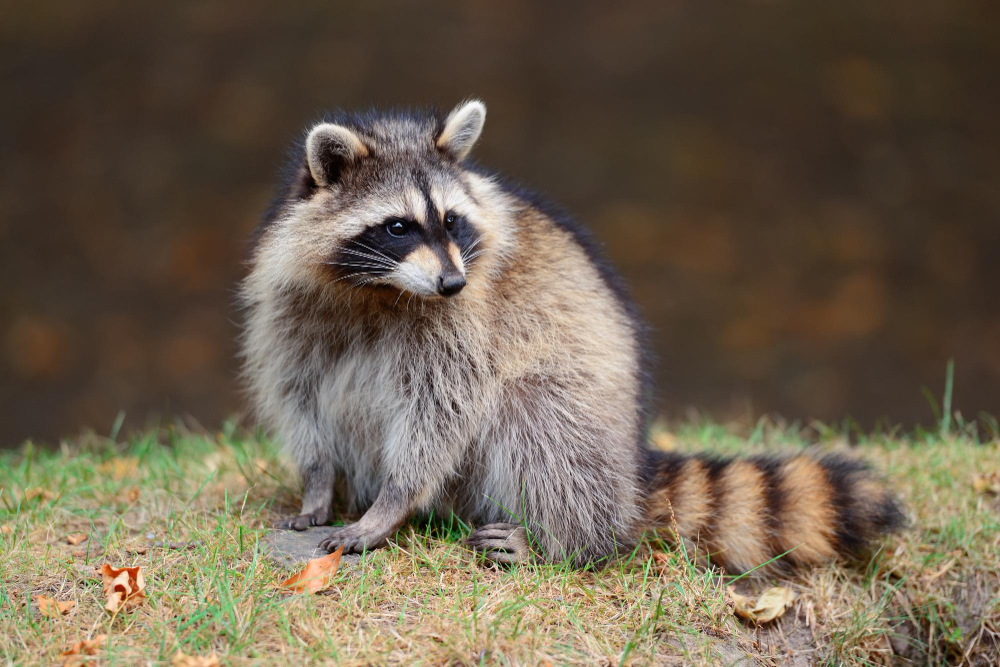

Why Raccoons Are a Serious Problem
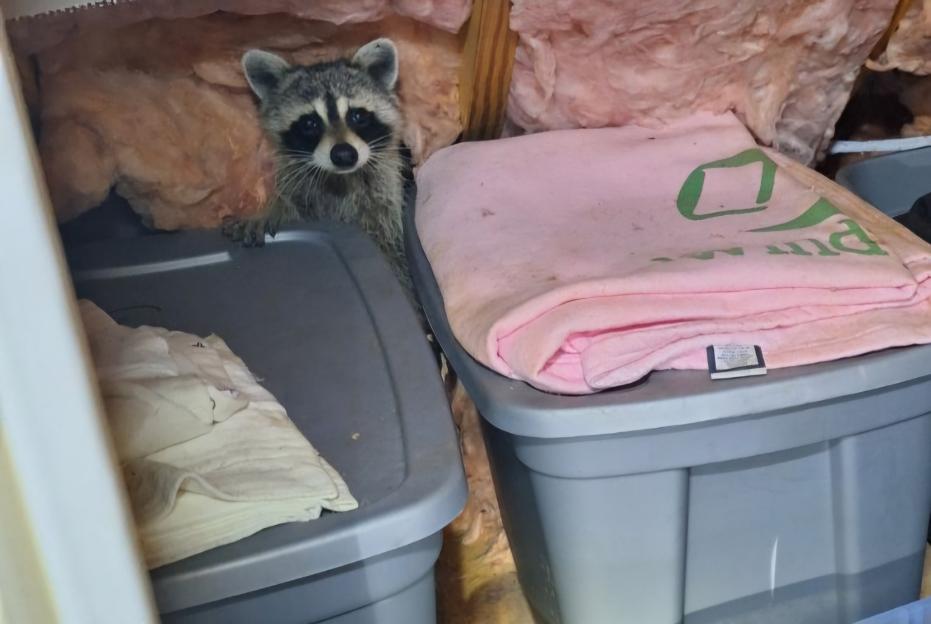
Raccoons are far more than a nuisance. They're powerful animals that can cause significant property damage and create real health risks for your family and pets. A raccoon in your attic will tear apart insulation, crush ductwork, chew on wiring, and use the space as a latrine. Their droppings accumulate quickly and the damage compounds every day the problem goes unaddressed.
Raccoons are also primary carriers of several diseases that affect people and pets, including rabies, canine distemper, leptospirosis, salmonella, and roundworm (Baylisascaris procyonis). These aren't risks to take lightly, especially when young children or pets share the home.
Female raccoons are especially drawn to attics during breeding season, which begins in February with litters of two to five kits born in April or May. A mother raccoon with babies in your attic requires careful handling to ensure the entire family is removed safely and humanely. This is not a situation for DIY solutions.
How Our Raccoon Removal Works
Raccoon removal requires experience, the right equipment, and an understanding of the animal's behavior. These are strong, clever animals that can be aggressive when cornered, especially mothers protecting their young. Our TWRA-certified technicians handle every raccoon removal with safety and compliance as the top priorities.
Inspection
We inspect your property to confirm raccoon activity, locate entry points, identify nesting areas, and determine whether young are present. The presence of kits changes our approach significantly and must be accounted for before any trapping begins.
Humane Trapping and Removal
We use professional-grade live traps placed in strategic locations based on the raccoon's travel patterns and entry points. If a mother and kits are involved, we ensure the entire family is removed. All trapping and handling complies with Tennessee Wildlife Resources Agency regulations.
Exclusion and Entry Point Repair
After removal, we recommend sealing every entry point the raccoon used to access your home. Raccoons are strong enough to tear through damaged soffits, rotted fascia, and weakened vents, so repairs need to be done with materials that can withstand their strength. Our exclusion and repair services use professional-grade materials designed to hold up against future wildlife attempts.
Cleanup and Attic Restoration
Raccoons leave behind droppings, urine, nesting material, and destroyed insulation that can't simply be left in place. For attics with significant contamination, our attic restoration service removes the compromised material, deodorizes the space, and restores the insulation to proper condition.
Signs of Raccoon Activity
Raccoons are nocturnal, so you're more likely to hear them than see them at first. Common signs that raccoons have moved in:
- Scratching, thumping, or chattering sounds coming from the attic, especially at night
- Torn or displaced shingles, damaged attic vents, damaged soffits, or loose gutters where they've forced entry
- Visible droppings on the roof, in the attic, or near entry points
- Stains on ceilings from accumulated urine above
- Damaged or crushed ductwork in the attic
- Torn insulation and scattered nesting material
- Tipped trash cans, raided pet food bowls, or damaged bird feeders in the yard
- A strong, persistent odor coming from the attic or crawlspace
If you're noticing any of these signs, contact us immediately. Raccoon damage gets worse every day the problem goes unaddressed.
Raccoon Prevention
Once we've removed the raccoons and sealed your home, there are steps you can take to reduce the likelihood of future visits:
- Secure trash cans with locking lids or bungee cords
- Bring pet food indoors at night
- Remove or secure bird feeders, especially ground-level feeders
- Trim tree branches that overhang or touch your roofline
- Repair damaged soffits, vents, and fascia promptly
- Keep garage doors closed at night
These steps won't guarantee a raccoon never visits your yard, but they significantly reduce the chances of one deciding to move in.
Remove Raccoons Safely: Contact Critter Wranglers Today
Critter Wranglers is locally owned and operated, licensed by the Tennessee Department of Agriculture, certified by the Tennessee Wildlife Resources Agency, and fully bonded and insured. Raccoon removal is one of the services that started our company, and it remains one of our most requested wildlife removal services today. Our technicians understand raccoon behavior, seasonal patterns, and the proper methods for safe, legal removal in Tennessee.
Don't try to handle a raccoon problem on your own. Contact us today to schedule your free inspection, or give us a call at (865) 973-1095.
Frequently Asked Questions
How do raccoons get into the attic?
Raccoons are excellent climbers with strong, dexterous front paws. They typically access attics by tearing through damaged or weakened soffits, pulling apart rotted fascia, forcing open gable vents, or entering through uncapped chimneys. They can also rip through roof decking in some cases. If there's a vulnerable spot on your roofline, a determined raccoon will find it.
When is raccoon season in Tennessee?
Raccoons are active year-round, but removal calls peak in late winter and spring when breeding season begins (February) and mothers seek out attics and crawlspaces to raise their litters (April through June). If you hear activity in your attic during these months, there's a good chance a raccoon family is involved.
Can I trap and remove raccoons myself?
Tennessee law regulates how nuisance wildlife can be handled. Attempting to trap or relocate raccoons without proper knowledge can result in fines, injury, or separating a mother from her young, which creates a worse problem. Professional removal by a TWRA-certified company is the safest and most effective approach.
Are raccoons dangerous to pets?
Yes. Raccoons can be aggressive when confronted by dogs, and fights between raccoons and pets can result in serious injuries and disease transmission. Raccoons are a primary carrier of rabies and canine distemper in Tennessee. Keep pets away from any raccoon activity on your property and contact a professional for removal.
How long does raccoon removal take?
Most residential raccoon removals are resolved within one to two weeks, depending on whether young are present and how many animals are involved. Exclusion and cleanup work may extend the overall timeline, but the active trapping phase is typically wrapped up quickly.
What happens to the raccoons after removal?
All raccoons are handled in accordance with Tennessee Wildlife Resources Agency regulations. The specific disposition depends on the circumstances, including the animal's health and applicable state guidelines. We'll discuss your options and our approach before any trapping begins.